Buddhist Circuit Guide: How to Visit All 4 Sacred Sites
Discover the ultimate Buddhist Circuit Guide. Learn how to visit all 4 sacred sites across India and Nepal with itineraries, costs, and travel tips.
29 Nov 2026 · Nirvana BnB travel desk
Introduction to the Sacred Buddhist Circuit
The Buddhist Circuit holds immense spiritual and historical significance for millions of travellers worldwide, tracing the pivotal milestones in the life of Siddhartha Gautama, the Buddha. Spanning across the fertile plains of northern India and the peaceful lowlands of southern Nepal, this sacred pilgrimage connects four primary holy sites: Lumbini, where he was born; Bodh Gaya, where he attained enlightenment; Sarnath, where he delivered his first sermon; and Kushinagar, where he attained Mahaparinirvana. Walking this ancient trail offers a profound journey into ancient history, serene monastic architecture, and deep meditative calm.
Planning a seamless journey across multiple state borders and international boundaries requires a clear understanding of routes, travel logistics, and seasonal timing. While independent travel is certainly possible through local transport and trains, structured pilgrimage packages help travellers make the most of their time without worrying about hotel bookings, local AC transfers, and guided sightseeing. Whether you are travelling with a family group, a community organization, or a spiritual delegation, following a well-crafted itinerary ensures a deeply enriching and hassle-free experience.
The Four Main Pillars: Birth, Enlightenment, Turning the Wheel, and Passing
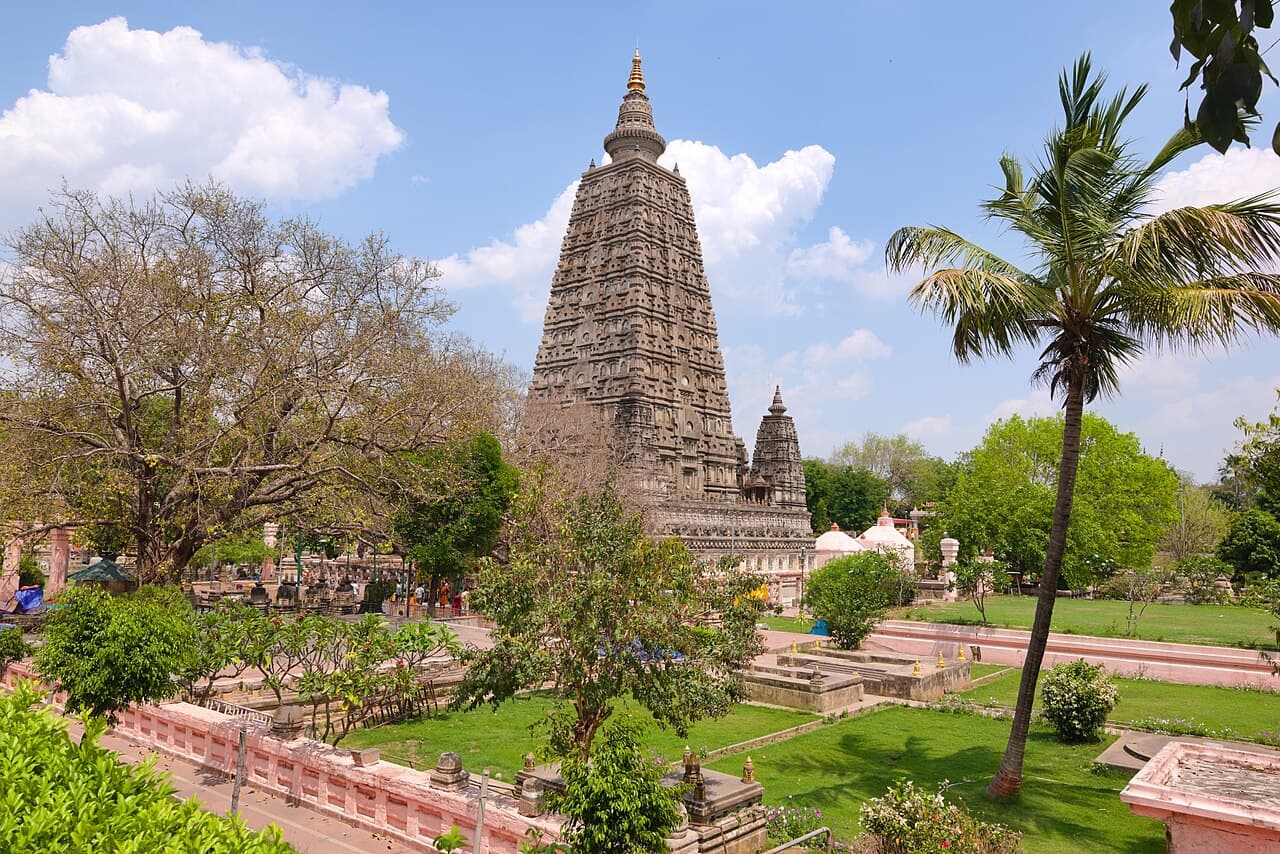
The journey traditionally begins at Lumbini in Nepal, a tranquil UNESCO World Heritage site featuring the sacred Maya Devi Temple, ancient monastic zones built by various Buddhist nations, and the eternal peace flame. Indian citizens visiting Lumbini can easily travel with a valid passport or voter ID card. Moving south into India brings you to Bodh Gaya in Bihar, the spiritual heartland where the Buddha attained supreme awakening under the sacred Bodhi Tree at the magnificent Mahabodhi Temple complex. The vibrant international monasteries surrounding the temple create a truly global spiritual atmosphere.
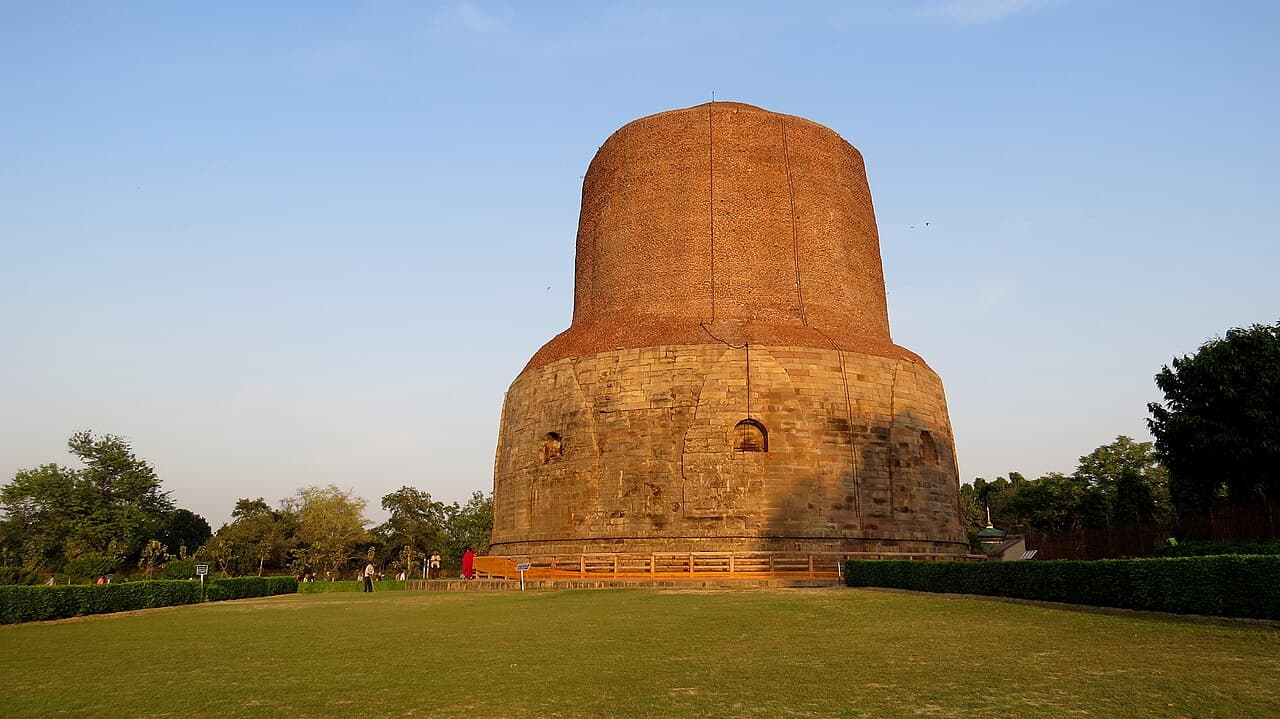
From Bodh Gaya, the trail leads to Sarnath near Varanasi, where the Buddha preached his first discourse of the Dharma to his five disciples at the Deer Park, marked by the towering Dhamek Stupa and ancient Ashoka Pillar. Finally, the pilgrimage concludes at Kushinagar, where the sacred Mahaparinirvana Temple houses the reclining Buddha statue, marking the site of his passing. Each of these four pillars offers unique architectural wonders, peaceful gardens, and active spaces for prayer, study, and reflection.
Extended Sites: Rajgir, Nalanda, Vaishali, and Sravasti
Beyond the core four sites, a comprehensive Buddhist pilgrimage often includes several other remarkable locations closely associated with the Buddha's ministry. Rajgir served as the peaceful retreat where the Buddha spent several months meditating and preaching on Vulture Peak, while neighbouring Nalanda houses the ruins of one of the world's greatest ancient residential universities. Exploring these archaeological wonders provides invaluable context into the spread of early Buddhist philosophy and education across Asia.
Further along the historical path lie Vaishali, where the Buddha delivered his last sermon and announced his impending Nirvana, and Sravasti, where he spent the maximum number of rainy seasons performing miracles at Jetavana monastery. Travellers looking to experience the complete historical footprint can opt for extended itineraries such as the Nirvana BnB Buddhist Circuit tour, which seamlessly connects all these sacred locations with comfortable private transport and expert local coordination.
Best Time to Visit and Weather Guide
The ideal time to undertake the Buddhist Circuit is during the cooler winter months between October and March. During this period, daytime temperatures across Uttar Pradesh, Bihar, and Nepal range from a pleasant 15°C to 25°C, making it comfortable for walking barefoot around temple complexes and exploring vast archaeological sites. Summers from April to June become intensely hot, with temperatures often exceeding 40°C, which can make extensive outdoor sightseeing quite exhausting for senior citizens and pilgrimage groups.
Monsoon months from July to September bring moderate to heavy rainfall across the Gangetic plains. While the countryside turns lush green and holy sites remain peaceful with fewer tourists, occasional travel delays on rural roads can occur. Winter mornings and evenings can be quite chilly, especially around Bodh Gaya and Varanasi, so visitors are advised to carry light woollens or shawls for early morning prayers and meditation sessions.
Practical Travel Tips, Costs, and How to Reach
Reaching the Buddhist Circuit is convenient via major airports and railway junctions like Patna, Gaya, Varanasi, and Gorakhpur. For those starting from central India, excellent rail and road networks connect Nagpur directly to Varanasi and Patna. Approximate travel costs vary based on your preferred style; budget modular trips start around ₹13,999 per person for shorter 3-night circuits like Bodh Gaya, Rajgir and Nalanda, while comprehensive multi-day journeys covering both India and Nepal range upwards of ₹39,999 per person on twin-sharing with hotels, daily breakfast, dinner, and private AC car transport.
When planning your pilgrimage, always carry government-issued photo identification for hotel check-ins, and ensure passport validity if crossing into Nepal. Modest clothing that covers shoulders and knees is recommended at all temples and monastic zones. To manage your travel arrangements effortlessly, you can explore customized quotations through the Nirvana BnB travel desk for your upcoming spiritual retreat.
Questions travellers ask
- What is the best time of the year to visit the Buddhist Circuit?
- The best time to visit is between October and March when the weather across Uttar Pradesh, Bihar, and Nepal is cool, pleasant, and ideal for outdoor sightseeing.
- Do Indian citizens need a passport to visit Lumbini in Nepal?
- Indian citizens can enter Nepal using a valid passport or a voter ID card, though carrying a passport is always recommended for international travel.
- What are the four primary sacred sites of Buddhism?
- The four main sites are Lumbini (birthplace), Bodh Gaya (enlightenment), Sarnath (first sermon), and Kushinagar (Mahaparinirvana).
- How can I book a customized Buddhist Circuit tour package?
- You can check available itineraries on Nirvana BnB and connect with our travel desk on WhatsApp to confirm your dates, hotels, and customized group rates.