Best Winter Treks in India: Complete Guide
Discover the best winter treks in India, from Kedarkantha to Chopta. Plan with route tips, gear essentials, base stays, and realistic budgets.
31 Oct 2026 · Nirvana BnB travel desk
Why Winter Trekking in India is an Unforgettable Experience
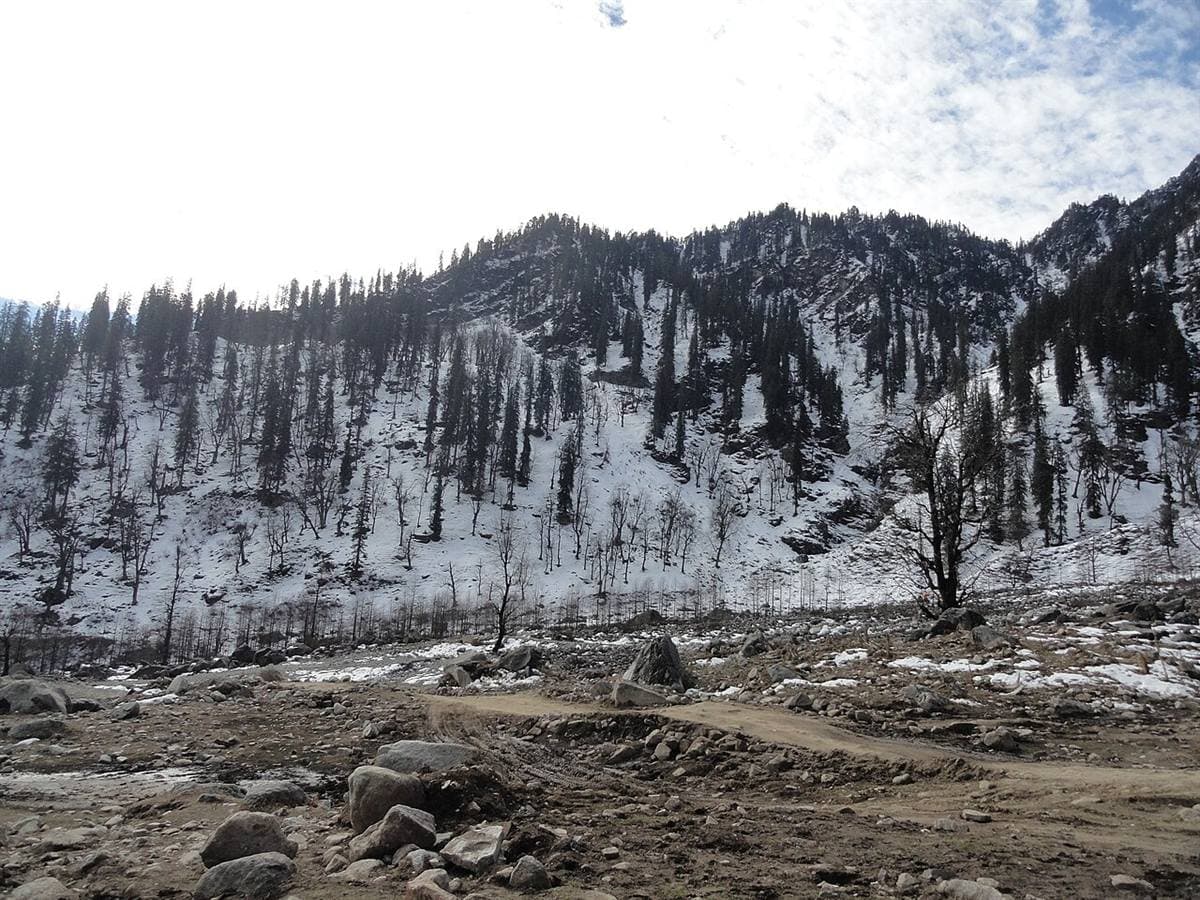
Winter transforms the Indian Himalayas into a peaceful sanctuary of silent pine forests, frozen streams, and crystalline snowdrifts. Walking through soft powdered snow beneath clear azure skies offers a completely different world compared to summer trails. The air is remarkably crisp, visibility stretches across jagged mountain ranges for hundreds of kilometres, and the stillness of the mountain villages in the chill of morning creates a deeply grounding atmosphere for any avid nature lover.
Unlike monsoon hiking, winter trails in the Garhwal and Himachal Himalayas benefit from predictable weather during the early to mid-winter months. Daytime temperatures remain pleasant for uphill hiking when you are properly layered, while cold evenings around crackling campsite lanterns bring travellers together. For both experienced backpackers and enthusiastic beginners looking for their very first Himalayan snow adventure, the Indian winter trekking season is an unmatched outdoor experience.
Choosing the right trail requires matching your physical fitness with elevation gains, campsite facilities, and trail conditions. A well-chosen trail guarantees safety and leaves you with indelible memories of sunlit ridgelines and snowy summits.
Kedarkantha Trek: The Ideal First Snow Trail
Kedarkantha in Uttarakhand remains the crown jewel of winter snow trekking in India, especially for beginners and intermediate trekkers. Rising to an altitude of 12,500 feet inside Govind Pashu Vihar National Park, the trail begins at the charming wooden hamlet of Sankri. Over four to five days, hikers move through dense oak and pine woods, open snow clearings, and the serene frozen lake of Juda Ka Taal before reaching the summit ridge.
What sets Kedarkantha apart is its summit climb. Trekkers typically start before dawn, crunching on frozen snow under starry skies with headlamps lighting the trail. Upon reaching the summit shrine at sunrise, you are rewarded with a panoramic 360-degree vista of majestic Himalayan peaks, including Swargarohini, Black Peak, and Bandarpoonch bathed in glowing morning light. The descent through powder snow fields is exhilarating and accessible.
Sankri is easily accessible from Dehradun by shared cabs or private taxis, with the road journey taking roughly eight hours. Guided trek packages from Sankri typically range from ₹7,000 to ₹10,000 per person including basic tent gear, microspikes, gaiters, and vegetarian meals on the trail.
Chopta, Tungnath, and Chandrashila: Panoramas and Ancient Shrines
Situated in the heart of Rudraprayag district, the trek to Tungnath and Chandrashila peak is one of the most spiritually stirring and scenic short treks in Uttarakhand. Starting from the alpine hamlet of Chopta—often called the mini Switzerland of Uttarakhand—the paved trail winds through rhododendron forests before rising toward Tungnath, the highest Shiva temple in the world at over 12,000 feet.
Continuing past the temple leads to Chandrashila summit at 13,100 feet. The summit offers an uninterrupted, awe-inspiring amphitheatre view of Nanda Devi, Trishul, Chaukhamba, and Kedar Dome. During peak winter from December to February, heavy snow carpets the trails, requiring microspikes and proper ankle-support trekking boots. Because of the shorter trail length of roughly five kilometres from Chopta to the summit, it is achievable in a single focused day for reasonably fit hikers.
Travel desk connectivity to Chopta runs conveniently from Rishikesh or Haridwar through Ukhimath. Local stay options in Chopta or Sari village range from basic eco-lodges to homestays costing around ₹1,500 to ₹3,500 per room per night, making this an economical yet breathtaking snow trail.
Dayara Bugyal and Kuari Pass: Pristine White Meadows
For trekkers who appreciate rolling alpine meadows blanketed in uninterrupted white, Dayara Bugyal in Uttarkashi is practically unmatched. In summer, Dayara is an expansive carpet of green grass and wild blossoms, but by December, it turns into a vast snow playground spanning several square kilometres. The ascent from the village of Raithal passes through ancient forests and offers gentler slopes, making it exceptionally suited for families with active teenagers and first-time winter hikers.
Kuari Pass, also celebrated as the Curzon Trail, lies near Joshimath in the Chamoli region. Walking along this ridgeline trek brings you face-to-face with Mount Nanda Devi, India's second-highest summit. The views of Dronagiri and Kamet standing tall against the horizon are nothing short of monumental. While slightly more demanding than Dayara Bugyal due to steep sub-zero ridge sections, Kuari Pass rewards hikers with dramatic views at every switchback.
Both treks can be completed in four to six days with proper guide support. Trekker permits and forest entrance fees are modest, usually under ₹500 for Indian nationals, while comprehensive guiding services cost around ₹8,000 to ₹12,000 per person depending on party size and inclusions.
How to Prepare: Fitness, Cold-Weather Gear, and Costs
Preparing for a Himalayan winter trek requires disciplined layering rather than one heavy jacket. The essential three-layer rule includes a sweat-wicking synthetic base layer, a warm fleece or down mid-layer to trap heat, and a windproof, waterproof outer shell jacket. High-ankle waterproof trekking shoes with deep lug patterns are mandatory, paired with thermal socks, woollen gloves, a balaclava, and UV-filtering sunglasses to prevent snow blindness.
Cardiovascular fitness makes your mountain journey significantly more enjoyable. Begin light running, brisk uphill walking, and stair climbing at least four weeks prior to your trip to build endurance. In high altitudes during winter, drinking three to four litres of water daily is crucial, as cold mountain air accelerates dehydration even when you do not feel thirsty.
Independent gear rental shops in base hubs like Dehradun, Rishikesh, and Manali rent down jackets, trekking poles, and waterproof gloves for ₹100 to ₹250 per item per day. Budgeting around ₹15,000 to ₹22,000 per person—covering regional transport, pre-trek homestays, trail guides, and rental equipment—allows a safe, comfortable Himalayan expedition.
Logistics, Base Towns, and Planning Smooth Transitions
Every successful winter trek starts and finishes with sensible transit planning. Travelling straight from low-altitude cities into remote mountain trailheads increases the risk of acute mountain sickness and exhaustion. Spending a day or two in transit bases such as Rishikesh, Mussoorie, Dehradun, or Shimla helps your body adapt comfortably to dropping temperatures and changing elevations before you start hiking.
If you are planning an extended trip to acclimatise in Uttarakhand before heading to higher trailheads, Nirvana BnB offers verified homestays, guesthouses, and scenic resorts that you can book online and pay directly through your own UPI or bank transfer. Having a confirmed, warm room waiting after several nights under canvas in freezing tents makes all the difference to your mountain vacation.
For travellers who wish to combine light valley walks and cultural discoveries with complete comfort, curated holiday itineraries offer an easy alternative. Our ready packages, such as the Haridwar, Rishikesh and Mussoorie package from ₹15,999 per person + GST or the Shimla and Manali package from ₹14,499 per person + GST, provide comfortable pre- and post-trek bases complete with transparent bookings and reliable local transit.
Questions travellers ask
- Which is the easiest winter trek in India for complete beginners?
- Dayara Bugyal and Kedarkantha in Uttarakhand are widely regarded as the best winter treks for beginners thanks to moderate gradients, well-marked trails, and established base camps.
- What is the best month to experience snow on winter treks in India?
- Late December to early February is the peak window for heavy snow cover across popular trails in Uttarakhand and Himachal Pradesh.
- Can children and seniors join winter treks?
- Active children above 10 years and fit seniors can comfortably undertake moderate treks like Dayara Bugyal or Chopta-Tungnath, provided they have medical clearance and proper warm layers.
- Do I need technical mountaineering equipment for winter trekking?
- No, standard winter treks do not require technical ropes or ice axes. You only need sturdy waterproof trekking boots, gaiters to keep snow out, and microspikes for icy sections, which trek organizers usually supply.