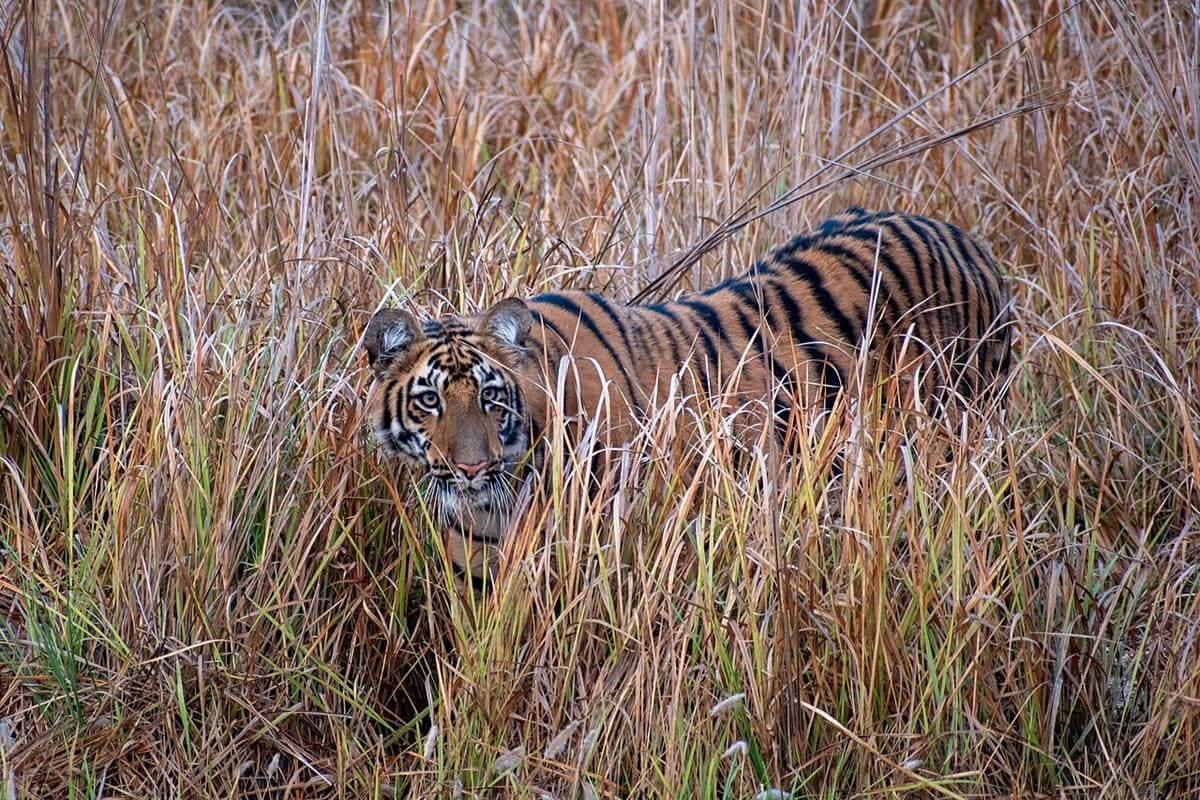
Best Wildlife Sanctuaries in India for Winter Safaris
Discover the best wildlife sanctuaries in India for winter wildlife safaris. Explore top national parks, spot tigers, and plan your winter holiday trip.
5 Nov 2026 · Nirvana BnB travel desk
Why Winter is the Best Season for Wildlife Safaris in India
Winter in India brings pleasant weather, making it the absolute best time for exploring wildlife sanctuaries and national parks. Unlike the scorching summer months when temperatures soar, the cooler winter morning temperatures ranging from 10°C to 20°C offer comfortable jeep and elephant safaris. The foliage is lush yet clearing, providing better visibility for spotting elusive animals like tigers, leopards, and sloth bears basking in the warm winter sun.
Moreover, winter marks the arrival of countless migratory birds from Central Asia and Siberia, transforming many sanctuaries into a paradise for birdwatchers. National parks across central, northern, and southern India open up completely after the monsoon closures. This creates ideal conditions for wildlife photography, nature walks, and immersive jungle experiences without the exhaustion of extreme heat.
Top Wildlife Sanctuaries to Explore This Winter
Central India is renowned for its dense tiger populations, making places like Tadoba-Andhari Tiger Reserve in Maharashtra an unmissable winter destination. Located close to Nagpur, Tadoba offers incredible tiger sightings, picturesque lakes, and rich biodiversity. For travellers looking for a structured holiday, platforms like Nirvana BnB feature curated wildlife itineraries that make planning hassle-free, ensuring comfortable stays near reserve gates.
Moving north, Jim Corbett National Park in Uttarakhand and Ranthambore National Park in Rajasthan provide classic winter safari experiences against stunning landscapes. While Corbett offers misty riverine forests and elephant rides, Ranthambore combines rugged dry deciduous forests with majestic ruins of an ancient fort. In the south, Bandipur and Nagarhole in Karnataka present lush evergreen woods where you can spot wild elephants, gaurs, and leopards during chilly morning safaris.
Practical Tips for Planning Your Winter Jungle Trip
Planning a successful winter wildlife safari requires careful preparation, especially regarding clothing. Early morning open-jeep safaris can be bitterly cold, so pack heavy woollens, beanies, gloves, and windproof jackets. Layering is key because afternoons tend to warm up once the sun is fully out. Booking your safari permits months in advance is crucial, as winter is peak tourist season and slots fill up rapidly across all major Indian tiger reserves.
When travelling, respect the natural habitat by avoiding loud noises, bright clothing, and plastic litter. Hiring an authorized local guide is mandatory and greatly enhances your experience, as their trained eyes can spot wildlife camouflage that ordinary travellers often miss. Keep your cameras and binoculars ready, but always prioritize quiet observation over disturbing the animals.
Best Time to Visit and How to Reach
The ideal window for winter wildlife safaris in India spans from November through March. During these months, weather conditions remain stable, and park authorities operate morning and afternoon safari shifts smoothly. Rain is rare, ensuring that gypsy tracks remain dry and accessible for deep forest penetration.
Reaching these wildlife sanctuaries is generally convenient via well-connected rail networks, national highways, and nearby domestic airports. For instance, Tadoba is easily accessible via Nagpur, which serves as a major transit hub with direct flights and trains from all over India. Many travellers prefer booking complete packages to streamline transfers, accommodation, and safari bookings in one go.
Rough Costs and Budget Planning
A typical winter wildlife trip in India can be budgeted depending on your choice of accommodation and safari frequency. Standard gypsy safaris generally cost between ₹2,500 to ₹6,000 per vehicle, shared among passengers, plus online booking permit fees. Forest rest houses and mid-range resorts range from ₹3,000 to ₹8,000 per night.
For those seeking all-inclusive arrangements without planning stress, organized itineraries like the Tadoba Tiger Safari start from ₹18,999 per person plus GST for 2 nights, covering essential logistics, stays, and guided explorations. Booking in advance helps lock in better rates for hotels and transport.
Questions travellers ask
- Which is the best month for wildlife safaris in winter?
- December and January offer the most pleasant weather for daytime safaris, while February and March provide great opportunities for animal sightings as water sources shrink.
- Are morning or evening safaris better in winter?
- Both have unique advantages. Morning safaris are colder but offer high chances of spotting predators active at dawn, while evening safaris offer warmer weather and great sunset views over the jungle.
- Do I need to book safari permits in advance?
- Yes, advance booking online through official state forest department websites is strictly recommended because winter is peak season and daily vehicle quotas fill up weeks ahead.
- What kind of clothing should I pack for a winter safari?
- Pack heavy woollens, thermal innerwear, gloves, a woolen cap, and a windproof jacket for the freezing morning jeep rides, along with comfortable cotton clothes for afternoons.